
5 Innovative Healthcare Use Cases for Machine Learning That Will Transform the Industry
Discover 5 machine learning use cases transforming healthcare with smarter diagnostics, automation, and better patient outcomes.
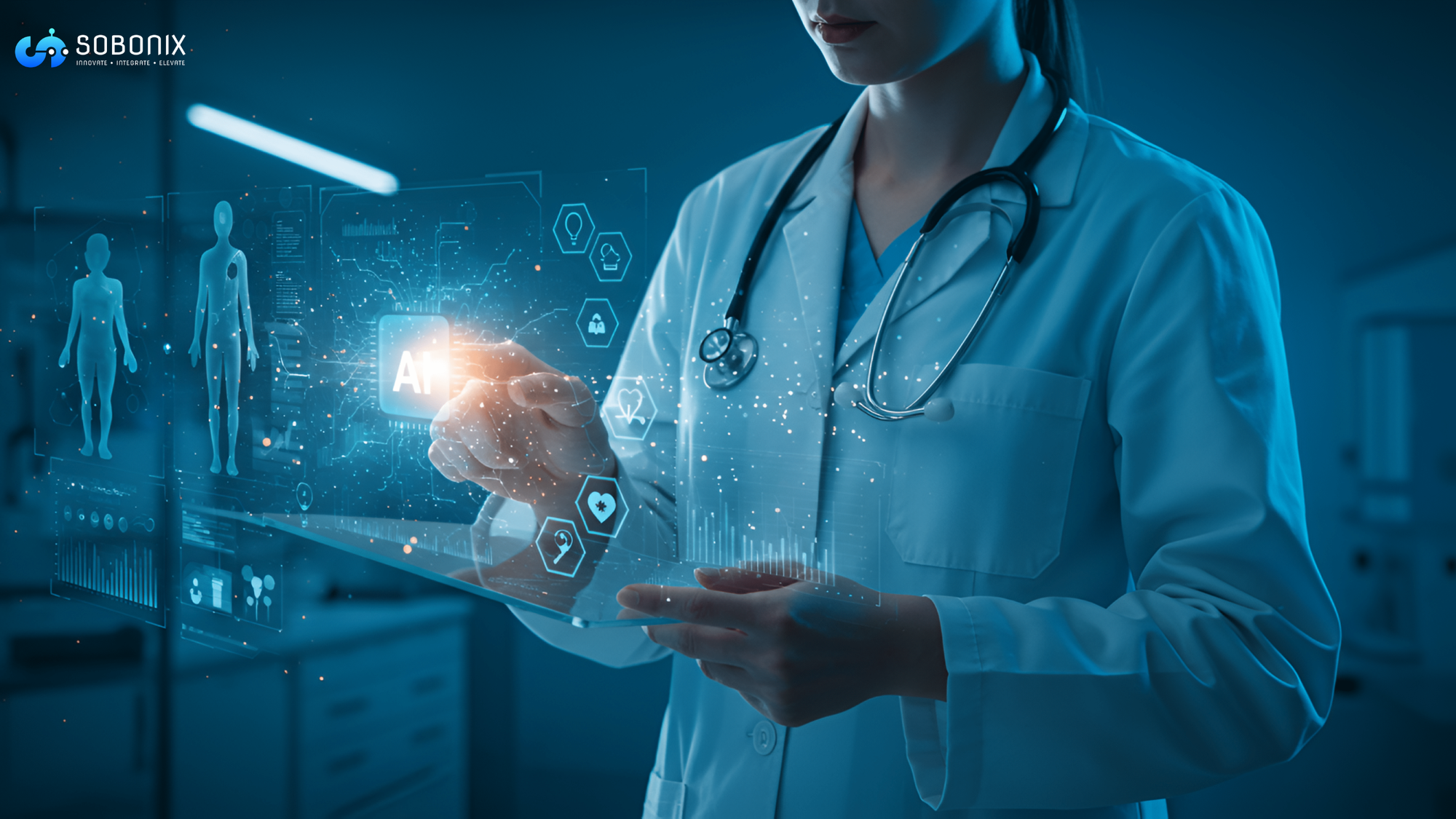
Today, the healthcare industry is undergoing one of its largest technological revolutions. Machine learning technologies have become one of the key drivers of the evolution of the industry. What was once called a nascent technology became a tool that helps hospitals, pharmaceutical companies, diagnostic centers, and other healthcare providers to make more informed decisions, improve patients' health, and boost the efficiency of their operations.
According to industry reports, the global AI healthcare software solutions market will be worth more than $180 billion by 2030, showing a CAGR of more than 35%. In addition, 80% of healthcare organizations are investing in the development of projects based on artificial intelligence and machine learning aimed at improving diagnostics, increasing patient engagement, optimizing administrative processes, and supporting the work of medical experts.
We believe that machine learning is not just a new technology but a driver that helps build smarter and more efficient healthcare ecosystems. The combination of advanced algorithms and deep domain expertise can help you create healthcare platforms with increased efficiency, reduced costs of operation, and better patients experience.
In this article, we explore five innovative healthcare use cases for machine learning that are reshaping the industry and discuss why healthcare providers should invest in AI-powered healthcare solutions to remain competitive in 2026 and beyond.
Why Machine Learning Is Transforming Healthcare
Healthcare produces huge amounts of data daily, from electronic health records and medical imaging to data from wearable devices and lab reports. But mere collection of such data does not mean any improvements for patients. The problem is in timely analysis of this data to obtain valuable insights that could help make medical decisions.
This is when healthcare machine learning brings tangible benefits.
The machine learning technology allows analyzing structured and unstructured healthcare data, spotting patterns, making predictions, and improving its efficiency with each new dataset. Unlike software solutions with pre-set rules, machine learning systems learn from previous experience and use real-life situations.
Thus, healthcare organizations get the ability to:
- Increase diagnostic efficiency
- Identify the risks of developing diseases early
- Tailor treatment plans to patient’s needs
- Optimize operations in hospitals
- Decrease administrative burden
- Engage patients better
- Support clinical decisions
Machine learning systems don’t replace healthcare specialists, they only help them make decisions faster and more informed.
The Growing Role of AI in Healthcare Software Development
Machine learning is just one of the many aspects of the AI environment, which continues revolutionizing healthcare technologies today. Today's healthcare applications utilize advanced predictive analytics, natural language processing, computer vision, and intelligent automation to create holistic digital health solutions.
This has resulted in an increasing need for the development of AI Solutions for healthcare software that will be able to solve specific problems associated with healthcare, including regulatory issues, interoperability concerns, patient privacy protection, and real-time data handling capabilities.
Companies start collaborating with experienced developers, who specialize in healthcare software development, to create intelligent platforms which will use the power of machine learning and scalable architecture to provide efficient solutions.
It doesn't matter whether you work on the development of clinical decision support system, remote patient monitoring system, or AI-based diagnostic solutions; choosing the right technology partner is critical to your success.
We believe in providing customized AI healthcare software development company that will fit your clinical and operational needs perfectly.
Early Disease Detection and Predictive Diagnosis
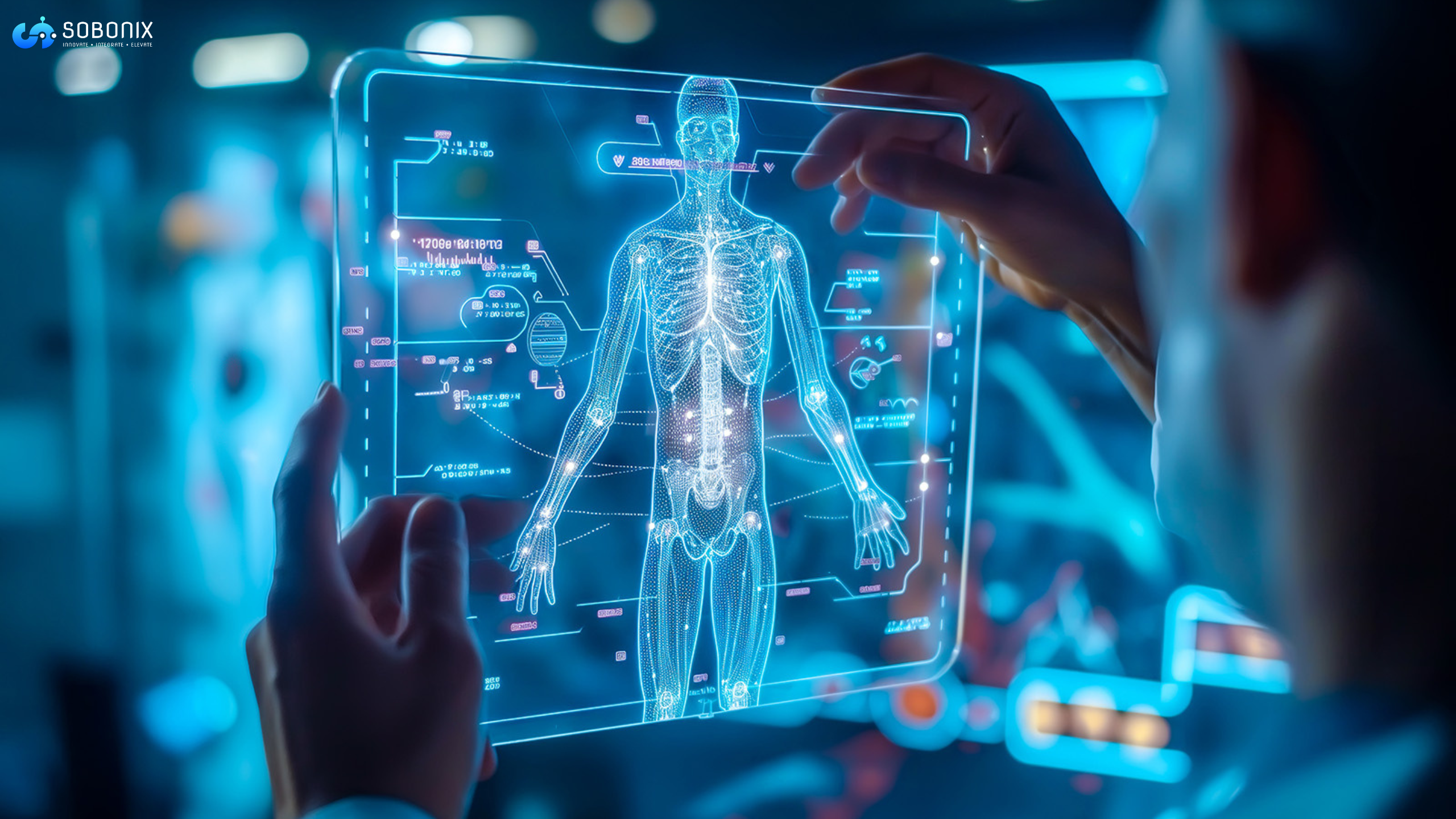
One of the major areas where machine learning has been successfully applied in healthcare is early disease detection. In conventional medicine, diagnoses were based on obvious symptoms or human interpretations of medical information. But using machine learning technology, doctors can get help in analyzing massive amounts of data to determine possible signs of diseases in their early stages even before any symptoms appear.
Machine learning systems have already been developed for detecting some of the following diseases:
- breast cancer
- lung cancer
- diabetic retinopathy
- Alzheimer's disease
- cardiovascular disorders
By processing data from different medical sources like imaging, lab results, patients' genetics, and history, such systems help physicians detect possible health hazards.
Of course, the advantages go beyond just diagnosing. Early detection means earlier interventions, cheaper treatments, and better patient outcomes. That's why predictive diagnostics is now one of the rapidly developing sectors of AI in healthcare.
Also Read : How AI Is Transforming Healthcare: Use Cases, Challenges & Solutions
Personalized Treatment and Precision Medicine
Not all patients react the same way to drug regimens and medication. Genetics, lifestyle, age, and other personal traits have an impact on the success of the treatment regime. Machine learning helps doctors provide customized treatment and go beyond general medicine through precision medicine.
By analyzing the data provided about the patient, machine learning algorithms help determine the best treatment course for each patient. This means that doctors can choose a medication regimen that will bring the best possible result without causing harm.
Moreover, machine learning is helping the pharmaceutical industry identify those patients who are eligible for clinical trials and how certain populations of people react to new medications.
Medical Imaging and AI-Assisted Diagnostics
Medical imaging became one of the most advanced and influential areas of implementation of machine learning in health care. On a daily basis, there are numerous medical images analyzed by radiologists including X-rays, CTs, MRIs, ultrasounds, and mammograms in order to identify all possible pathologies. This process involves the usage of highly experienced professionals who should be able to make quick diagnoses. However, this process is not only very time-consuming but also prone to human error and fatigue, especially in high-volume hospitals and clinics.
With the development of machine learning technologies, this process is being redefined as intelligent software is capable of analyzing various types of images in a matter of seconds. Machine learning software will not replace human experts. It will simply provide them with additional information that can be used to make informed decisions.
Machine learning algorithms can identify such abnormalities as:
- lung nodules in chest CT
- brain hemorrhage in MRI
- indicators of breast cancer in mammogram
- bone fracture in X-ray
- diseases of retina using eye images
Thanks to machine learning technology, false-negative results can be reduced as software can detect very subtle patterns in image that may be overlooked by even the most experienced physician.
As healthcare providers continue investing in AI-powered healthcare solutions, medical imaging remains one of the strongest examples of how machine learning enhances—not replaces—clinical expertise.
Intelligent Remote Patient Monitoring
While patient care remains the main priority in healthcare organizations, operation productivity has a direct effect on the outcome of treatment.
Hospitals deal with thousands of interdependent operations per day, including appointment scheduling, employee scheduling, inventory management, bed management, insurance processing, and admission procedures.
Typical administrative solutions face difficulties coping with such complicated workflows.
Machine learning brings to the picture an intelligent system, which analyzes the data of operational activity and finds ways of improvement.
Nowadays, there are many ways in which healthcare organizations apply machine learning technology to improve their operational performance. Here are some of them:
Scheduling Optimization
Analyzing historical patient flow and seasonal patterns, AI predicts optimal staffing needs and avoids understaffing and excessive costs.
Patient Admission Prediction
Machine learning algorithms predict emergency room visits and patient admissions in order to better allocate beds and medical resources.
Improved Resource Utilization
With the help of AI, healthcare organizations are able to handle better operations rooms, diagnostic tools and other critical resources.
Administrative Process Streamlining
Automation of routine administration helps to cut paperwork and leave more time to healthcare professionals for patients.
All these factors lead to improved financials, elimination of bottlenecks and higher levels of customer satisfaction.
Hospital Operations and Workflow Optimization
Although patient care remains the primary focus of healthcare organizations, operational efficiency directly impacts clinical outcomes. Hospitals manage thousands of interconnected processes every day, including appointment scheduling, staff allocation, inventory management, bed availability, insurance processing, and patient admissions.
Traditional administrative systems often struggle to manage these complex workflows efficiently.
Machine learning introduces a more intelligent approach by analyzing operational data and identifying opportunities for optimization.
Healthcare organizations now use machine learning to:
Optimize Staff Scheduling
By analyzing historical patient volumes and seasonal trends, AI can predict staffing requirements, reducing both understaffing and unnecessary labor costs.
Predict Patient Admissions
Machine learning models forecast emergency room visits and inpatient admissions, allowing hospitals to allocate beds and medical resources more effectively.
Improve Resource Utilization
AI helps healthcare providers manage operating rooms, diagnostic equipment, and critical medical resources with greater efficiency.
Streamline Administrative Processes
Automating repetitive administrative tasks reduces paperwork while allowing healthcare professionals to dedicate more time to patient care.
These improvements contribute to better financial performance, reduced operational bottlenecks, and enhanced patient satisfaction.
Consequently, organizations investing in AI healthcare software development are increasingly prioritizing intelligent workflow automation as part of their digital transformation strategies.
Benefits of Machine Learning in Healthcare
While the use cases presented above provide real-life examples, the overall contribution of machine learning can be seen throughout the whole healthcare sector.
The most important contributions include:
Improved Clinical Decisions
Machine learning allows doctors to quickly process large amounts of information, generating evidence-based suggestions that assist in diagnosis and treatment planning.
Improved Patient Outcome
Early detection, individual treatments, and constant monitoring all result in higher success rates and better health.
Lower Healthcare Costs
Automating processes, using prediction analysis, and optimizing operations will allow healthcare providers to reduce costs on administrative work and avoid unnecessary hospitalization.
Improved Patient Experience
Faster detection, personalized treatment, reduced waiting time, and improved communication due to AI-powered healthcare systems are among benefits of using AI.
Medical Research Acceleration
Machine learning will help to analyze trial results, find potential drugs, and determine the pattern of treatment.
All of these factors explain why AI in healthcare is such an important investment for healthcare organizations nowadays.
How Sobonix Is Driving AI Innovation in Healthcare
To develop intelligent healthcare software platforms, one must have knowledge of machine learning, compliance with regulations, interoperability, and data security management. At Sobonix, we have all these skills to provide our clients with intelligent healthcare software that will make their operations more efficient and improve patient care.
Our company develops customized AI-based healthcare software for healthcare organizations in accordance with industry standards and requirements. We offer predictive analysis, AI diagnostics, telemonitoring of patients, healthcare chatbots, medical imaging software, and other healthcare software in compliance with HIPAA standards.
Emerging Trends Shaping the Future of Machine Learning in Healthcare
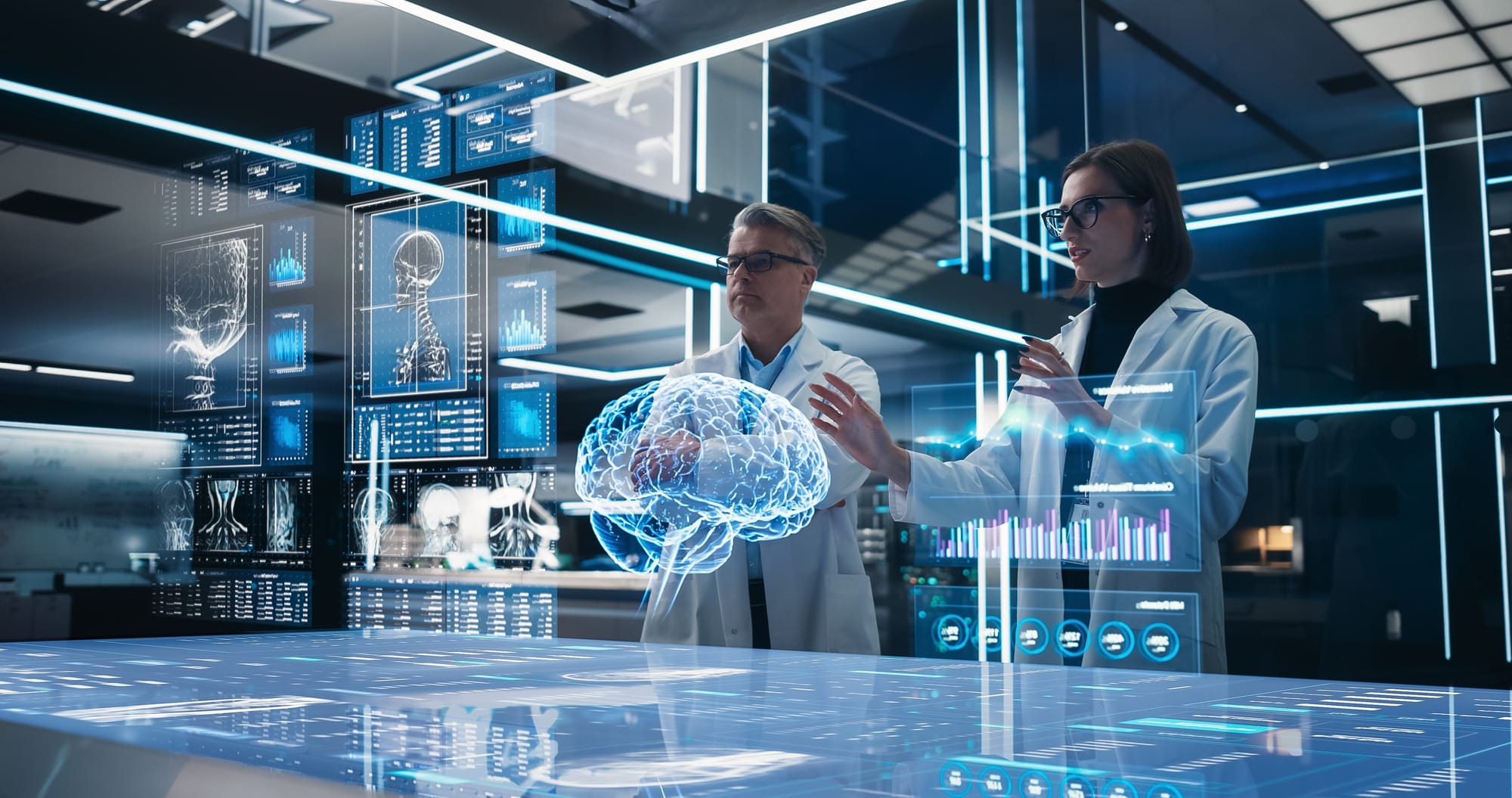
There is no doubt that machine learning keeps opening up fresh opportunities within the entire healthcare landscape. Some of the trends defining the future of the industry include:
Generative AI for Clinical Documentation: It will automate the process of generating clinical documentation.
AI for Drug Discovery: It will make research more effective thanks to the rapid identification of drug candidates.
Digital Twins: Will create virtual patients that will enable better simulations and treatment plans.
Federated Learning: Will allow training of AI models on distributed data without compromising patients' privacy.
Explainable AI (XAI): Helps understand the results of AI solutions in order to make them more understandable for doctors.
Why Investing in AI-Powered Healthcare Solutions Matters
Healthcare providers are increasingly investing in AI-powered healthcare solutions to improve clinical outcomes and operational performance. AI helps organizations deliver faster diagnoses, personalize treatments, automate administrative tasks, enhance patient engagement, and optimize resource utilization.
More importantly, intelligent healthcare systems enable providers to shift from reactive care to proactive and preventive healthcare, creating long-term value for both patients and healthcare organizations.
Final Thoughts
Machine learning is revolutionizing the healthcare sector with early diagnosis, personalized treatment, intelligent imagery, remote patient monitoring, and optimized hospitals operations. As adoption rates keep growing, there is a necessity for healthcare institutions to have secure and scalable digital tools that can make full use of machine learning.
Sobonix offers AI healthcare software development services for healthcare companies to create intelligent solutions for better health and more efficient processes. Through the combination of advanced AI technologies and healthcare knowledge, creates future-proof solutions that can help innovate and develop sustainably.
FAQs
What is machine learning in healthcare?
Machine learning in healthcare refers to the use of AI algorithms that analyze medical data, identify patterns, predict outcomes, and support healthcare professionals in diagnosis, treatment planning, and operational decision-making.
How is machine learning different from traditional healthcare software?
Traditional healthcare software follows predefined rules and workflows, whereas machine learning systems continuously learn from historical and real-time data to improve predictions, recommendations, and decision-making over time.
What are the biggest use cases of machine learning in healthcare?
Some of the most impactful applications include early disease detection, personalized medicine, AI-assisted medical imaging, remote patient monitoring, hospital workflow optimization, predictive analytics, and drug discovery.
Why is AI healthcare software development becoming important?
Healthcare organizations increasingly rely on AI healthcare software development to improve patient outcomes, automate administrative processes, enhance diagnostics, and create intelligent healthcare platforms that support long-term digital transformation.
How does machine learning improve patient care?
Machine learning enables earlier diagnosis, personalized treatment recommendations, continuous patient monitoring, and predictive analytics, allowing healthcare providers to deliver more timely, accurate, and effective care.
What should businesses look for in an AI healthcare software development company?
When selecting an AI healthcare software development company, organizations should evaluate healthcare domain expertise, regulatory compliance knowledge, AI capabilities, data security practices, interoperability experience, and post-deployment support.
Is machine learning secure for healthcare applications?
Yes, provided it is implemented with robust security measures, encryption, role-based access controls, and compliance with healthcare regulations such as HIPAA, GDPR, and other regional data protection standards.


