
How to Add AI Features to Existing Software Applications in 2026
Add AI features to existing software in 2026. Boost automation, user experience, and business growth with smart AI integration.
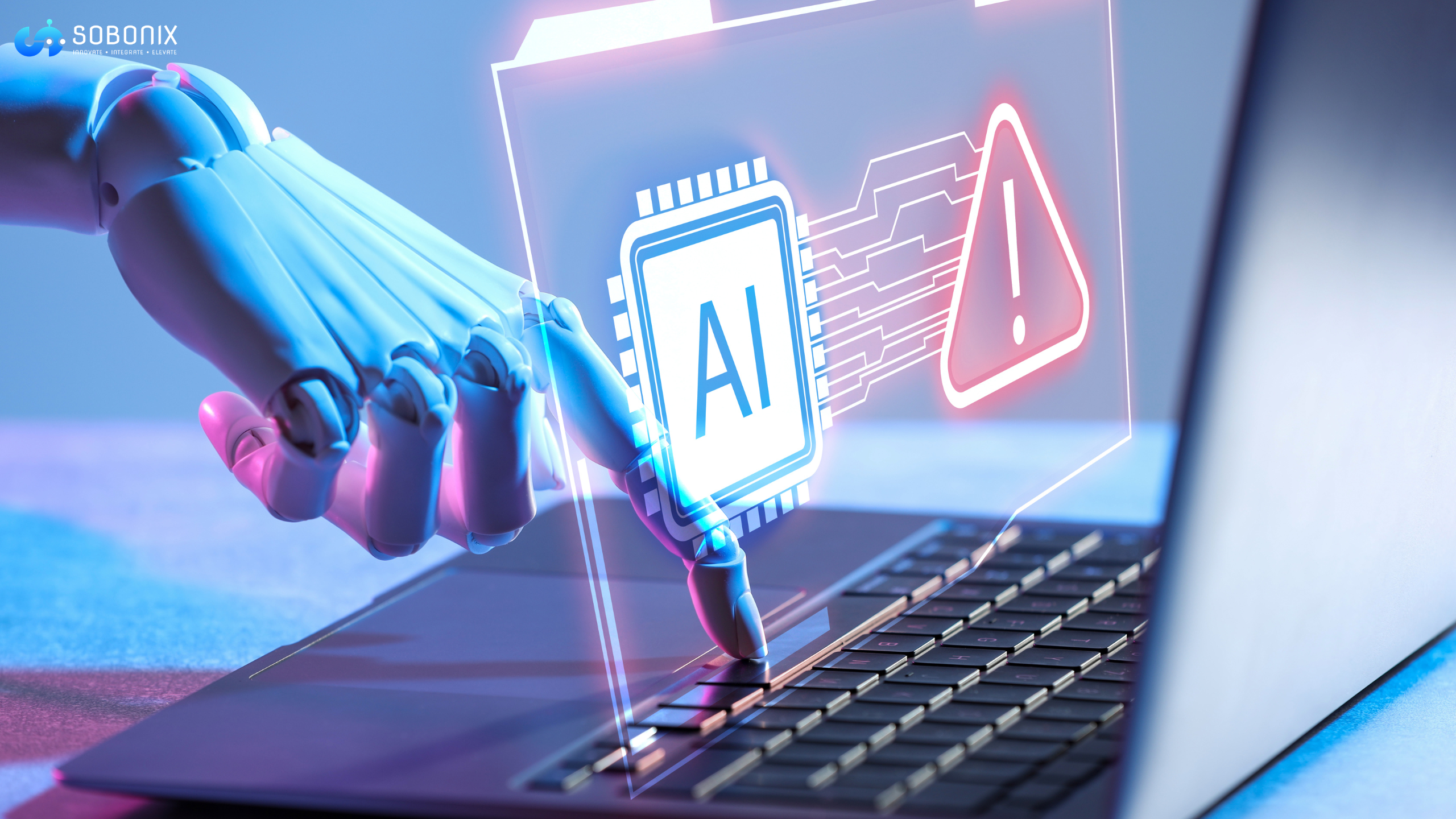
As organizations advance their digital infrastructure, a key strategy for 2026 will be to focus not on the development of new software from scratch, but rather on increasing its capabilities through AI integration. In the fields of SaaS, fintech, healthcare, logistics, and IT, the question of augmenting legacy and modern applications with artificial intelligence is gaining more and more attention.
Such a decision is dictated by a very simple consideration—AI technologies today are an inseparable part of software functionalities, and therefore their integration becomes relevant for many different types of companies. As a consequence, many organizations invest more and more resources in services that integrate AI in software products.
At Sobonix, our mission is to help enterprises and SaaS companies increase the effectiveness of AI-based software integration.
Why Businesses Are Adding AI Features to Existing Applications
Rather than recreating their whole platforms, companies have been concentrating on improving the already existing solutions. This is much cheaper, ensures lower downtime, and allows getting the product to market more quickly.
The following factors motivate this trend in the business community:
- Higher expectations from customers regarding personalized experiences
- Automation of processes
- Prediction analytics
- The competition in SaaS and enterprise spaces
- Modern AI APIs and models
Moreover, modern AI solutions integrate perfectly with other software products, which speeds up the process significantly.
As a result, collaborating with an experienced AI app development agency becomes crucial for any company willing to be successful in its field.
What Does It Mean to Add AI Features to Existing Software?
Adding AI features does not mean replacing the core application. Instead, it involves embedding intelligence into specific modules or workflows.
This may include:
- Intelligent recommendation engines
- AI-powered chatbots or assistants
- Predictive analytics dashboards
- Automated decision-making systems
- Document processing using NLP
- Fraud detection systems
In most cases, AI is introduced as an enhancement layer that interacts with existing databases, APIs, and business logic.
This is where structured AI software integration becomes critical, ensuring that new capabilities work seamlessly with legacy infrastructure.
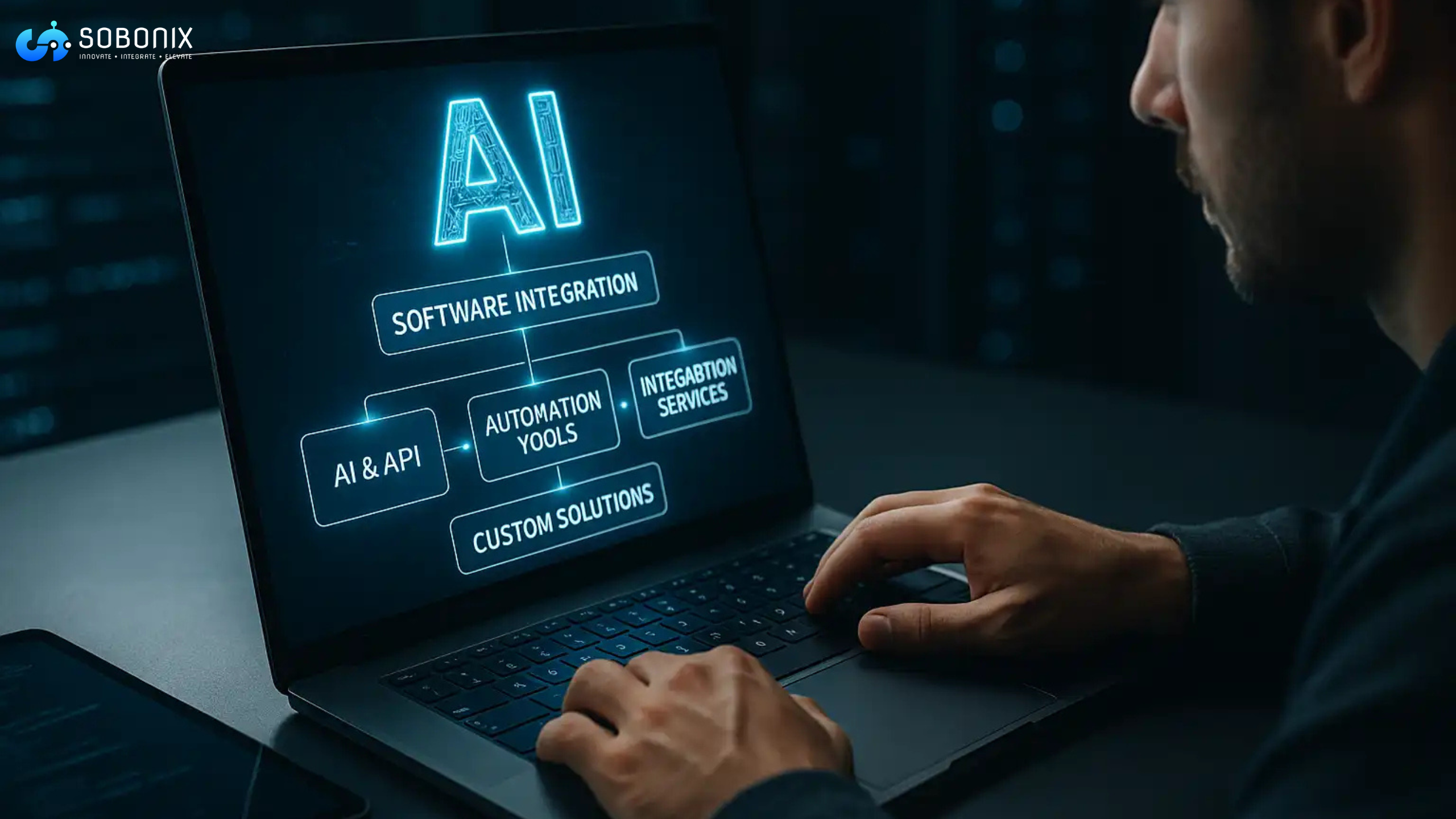
Step-by-Step Process for AI Integration in Existing Software
To successfully implement AI features, businesses must follow a structured engineering approach rather than a fragmented upgrade process.
System Assessment and AI Readiness Check
The first step here would be to conduct an evaluation of the architecture, data quality, and integration points. Not all applications are AI-ready right away, and finding any constraints will help prevent future problems.
Key evaluation areas include:
- Data availability and structure
- API accessibility
- System scalability
- Security and compliance readiness
Defining AI Use Cases
Instead of implementing AI across the board, companies should focus on high-value use cases for ROI.
Common high-value use cases include:
- Customer support automation
- Sales forecasting
- Workflow optimization
- User personalization
- Risk detection
A reliable custom AI software development company typically begins with business-aligned AI strategy mapping at this stage.
Choosing the Right AI Architecture
Depending on system complexity, businesses can choose between:
- Cloud-based AI APIs
- On-premise AI models
- Hybrid AI architecture
- Microservices-based AI modules
The architecture must align with scalability requirements, latency expectations, and security policies.
Data Preparation and Model Integration
The next step is very important for artificial intelligence solutions, which are highly dependent on data quality. As a result, data needs to be preprocessed, cleaned, and annotated.
Once this is done, machine learning models or even ready-made APIs could be implemented into the application layer.
API and System Integration
This is the key step in implementing AI software integration, where AI components are embedded into existing software systems.
Integration typically involves:
- REST or GraphQL APIs
- Microservices communication
- Event-driven architecture
- Middleware layers
Testing, Optimization, and Monitoring
After integration, continuous testing ensures accuracy, reliability, and performance stability.
Monitoring tools track:
- Model accuracy
- Response latency
- System load
- User interaction patterns
AI systems are iterative, meaning they improve over time through retraining and optimization.
AI Features for SaaS Applications: A Major Growth Driver
Among the rapidly growing use cases of 2026 are AI-based improvements for SaaS products. Saas web development company are particularly well-suited for implementing AI due to their cloud infrastructure and access to large amounts of data.
Examples of AI improvements implemented in SaaS include:
- Intelligent onboarding services
- Churn predictions
- AI-driven analytics dashboards
- Automated customer support services
- Workflow suggestions driven by AI
Due to the increasing level of competition in the SaaS market, incorporating AI into SaaS products has become a distinguishing factor.
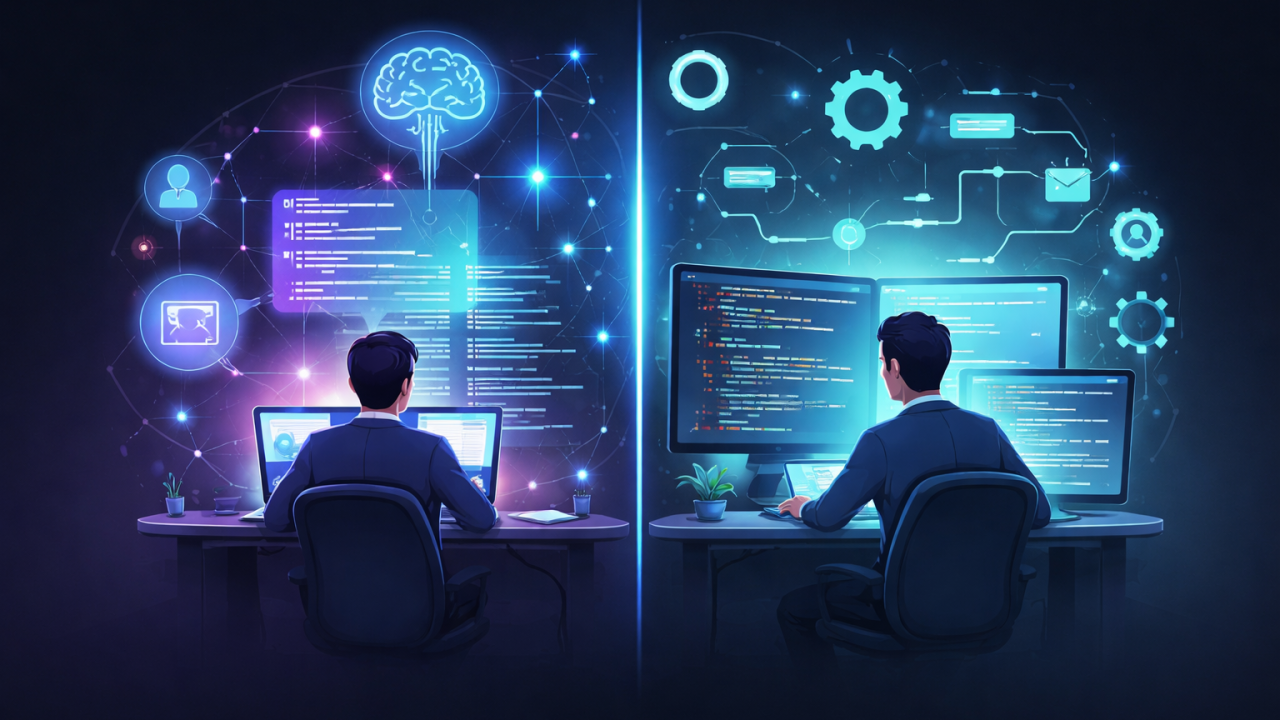
Challenges in AI Integration Projects
Despite the benefits, integrating AI into existing applications comes with challenges that businesses must carefully manage.
Legacy System Limitations
Older systems may lack APIs or modular architecture, making integration complex.
Data Silos
Disconnected data sources reduce AI effectiveness and accuracy.
Scalability Issues
Improper integration can create performance bottlenecks under heavy workloads.
Security Concerns
AI systems must comply with data protection standards and enterprise security policies.
Addressing these challenges requires working with an experienced AI application development company USA that understands both legacy systems and modern AI architectures.
Why Businesses Prefer a Custom AI Development Company
Although there are AI solutions available in the market, they don’t fit into organizational processes entirely. This is why organizations opt for a custom AI software development company to develop AI-based software solutions.
Benefits offered by customized AI solutions are:
- Customization of AI model according to requirements of organization
- Integration with other processes already in place
- Sector-specific optimization of processes
- Data protection and security
- Scalability of solution
Role of AI Integration Services in Digital Transformation
Modern enterprises are accelerating digital transformation initiatives, and AI integration services play a critical role in this journey.
These services help businesses:
- Modernize legacy applications
- Enhance customer experience platforms
- Automate enterprise workflows
- Improve data-driven decision-making
- Reduce operational inefficiencies
We focus on building integration frameworks that allow businesses to adopt AI incrementally without disrupting existing operations.
Future of AI Software Integration in 2026 and Beyond
The future of AI integration is moving toward deeper automation and autonomous systems. Emerging trends include:
- AI agents embedded within enterprise software
- Self-optimizing applications
- Real-time adaptive user interfaces
- Multimodal AI capabilities (text, voice, vision)
- Low-code AI integration frameworks
As these technologies mature, businesses that invest early in AI-enabled systems will gain a long-term competitive advantage.
Why Choose Sobonix for AI Integration and Development
We excel at providing AI transformation solutions that are scalable from an engineering perspective and enterprise-ready.
Our services include:
- Complete AI integration services
- Customized AI software development services
- AI enhancement using SaaS
- Enterprise AI consulting & architectural design services
- Integration of AI into legacy systems
Through our unique blend of technical and strategic skills, Sobonix helps businesses transform into AI-powered enterprises without any disruptions to their operations.
Final Thoughts
In 2026, adding AI features to existing applications is no longer a complex transformation reserved for large enterprises. With the right strategy, architecture, and partner, businesses of all sizes can enhance their software ecosystems through intelligent automation and predictive capabilities.
Working with an experienced AI & SaaS Development Company allows organizations to seamlessly integrate advanced AI capabilities into their existing software ecosystems. With the right expertise, businesses can accelerate innovation, optimize workflows, and unlock the full potential of next-generation AI-powered applications and digital platforms.
FAQs
What is AI integration in software applications?
AI integration refers to embedding artificial intelligence capabilities such as machine learning models, chatbots, or predictive systems into existing software applications to enhance functionality and automation.
Why should businesses invest in AI integration services?
AI integration services help organizations improve efficiency, automate workflows, and enhance user experience without rebuilding entire systems from scratch.
What is the role of an AI application development company?
An AI application development company designs, builds, and integrates AI-powered features into software applications based on business requirements and scalability needs.
Can legacy systems support AI integration?
Yes, but they may require middleware, API development, or partial modernization to support efficient AI software integration.
What are AI features for SaaS applications?
AI features for SaaS applications include automation tools, predictive analytics, intelligent recommendations, customer support chatbots, and behavior-based personalization systems.
Why choose a custom AI development company instead of ready-made tools?
A custom AI development company provides tailored solutions that align with specific workflows, ensuring better accuracy, scalability, and long-term business value.


